Module 2 Formstorming
Weekly Activity Template
Jiarui Yao/Sunny
Project 2
Module 2
Creative Concept: To us, the power of projection mapping lies not in illuminating space, but in reinventing it. We weren't merely illuminating the walls of a building;
Activity 1
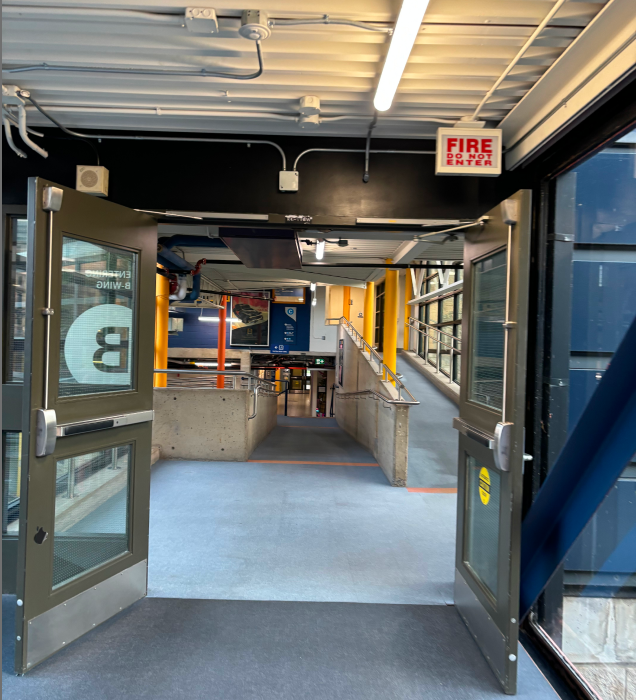
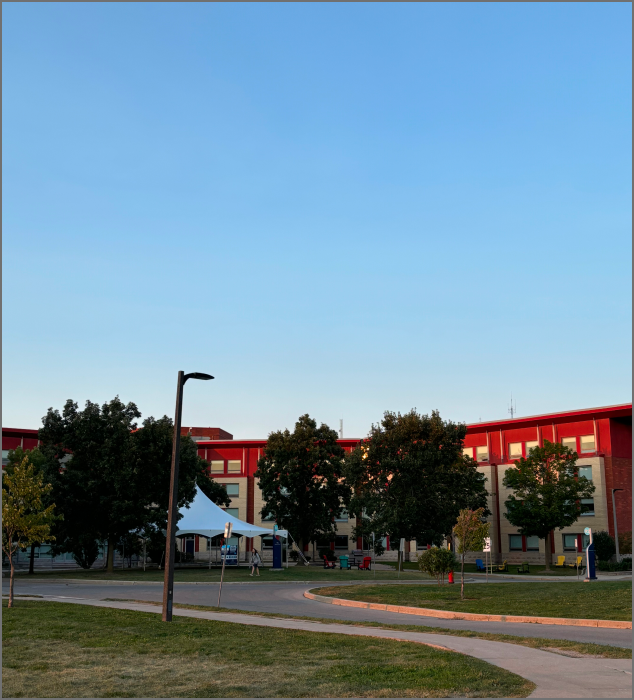
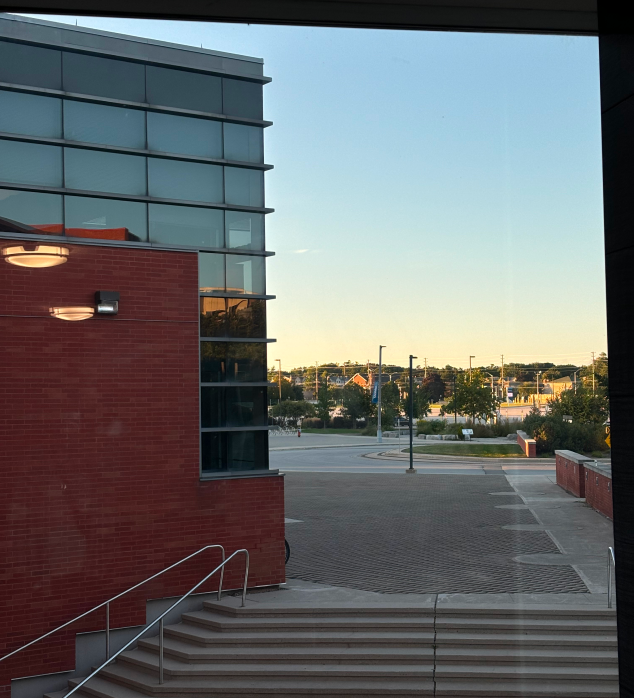
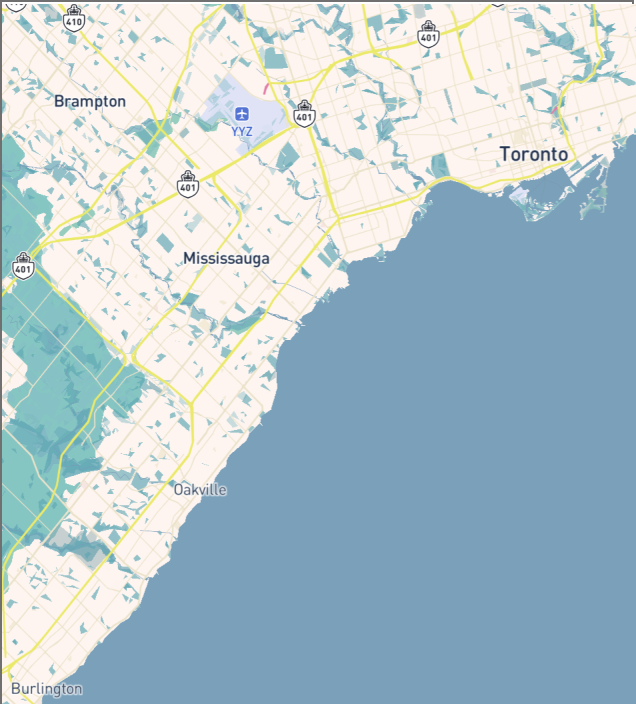
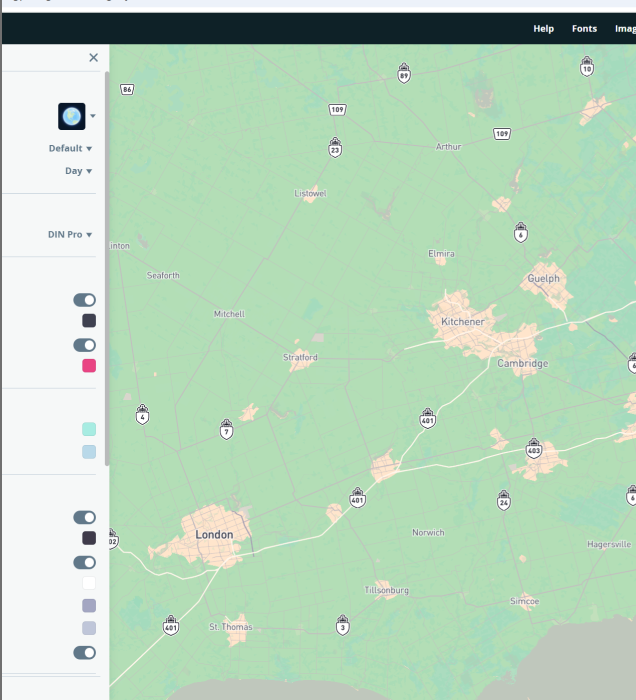
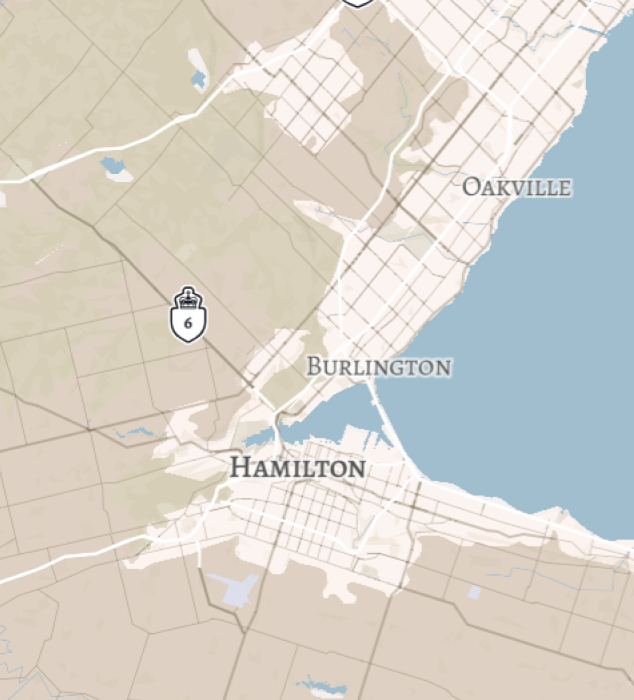
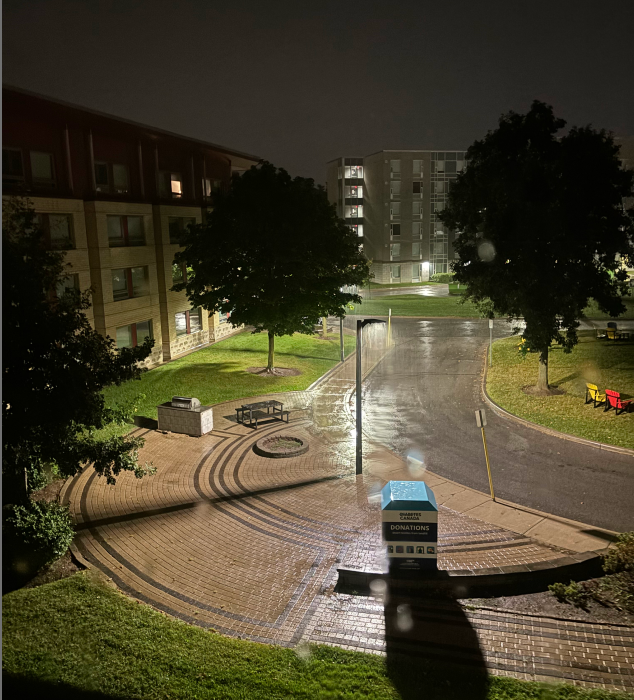
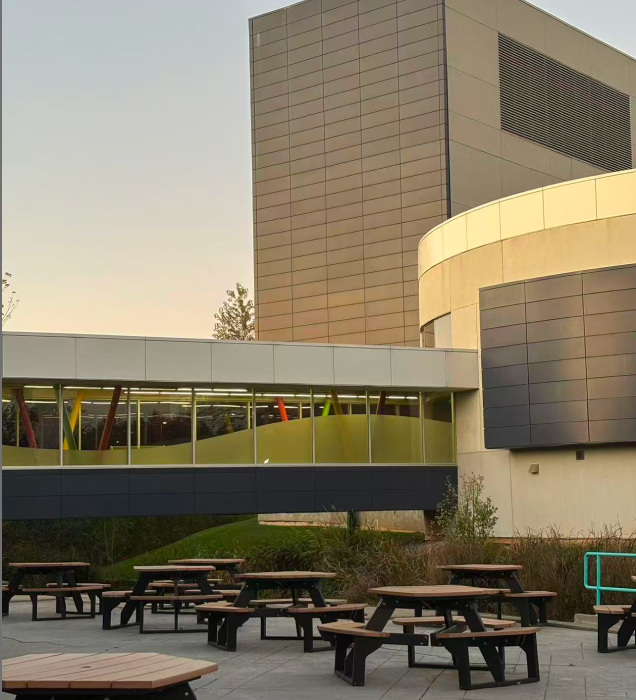
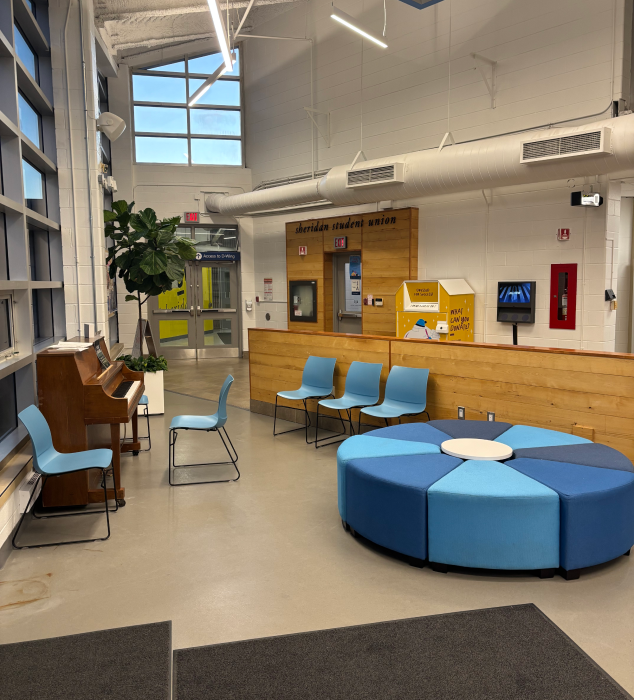
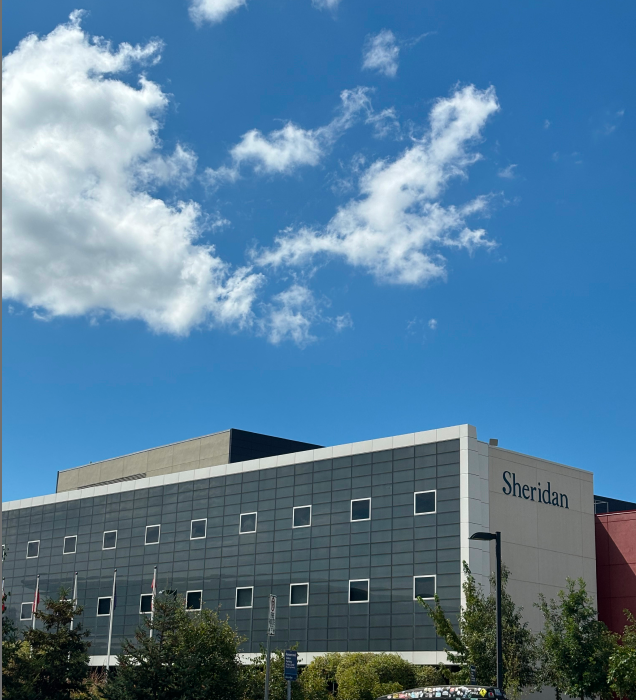
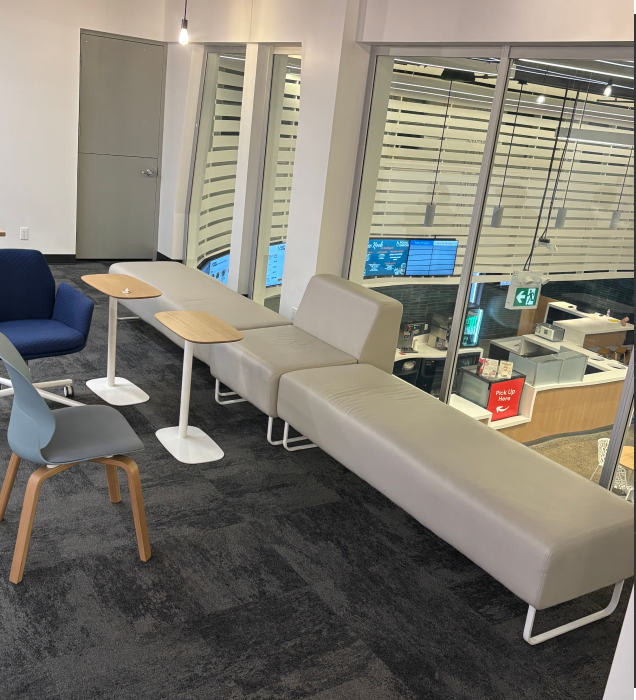
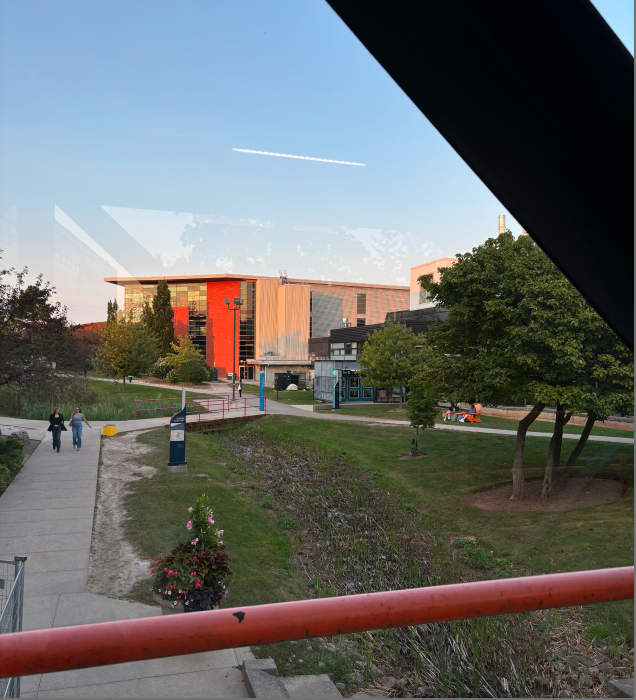
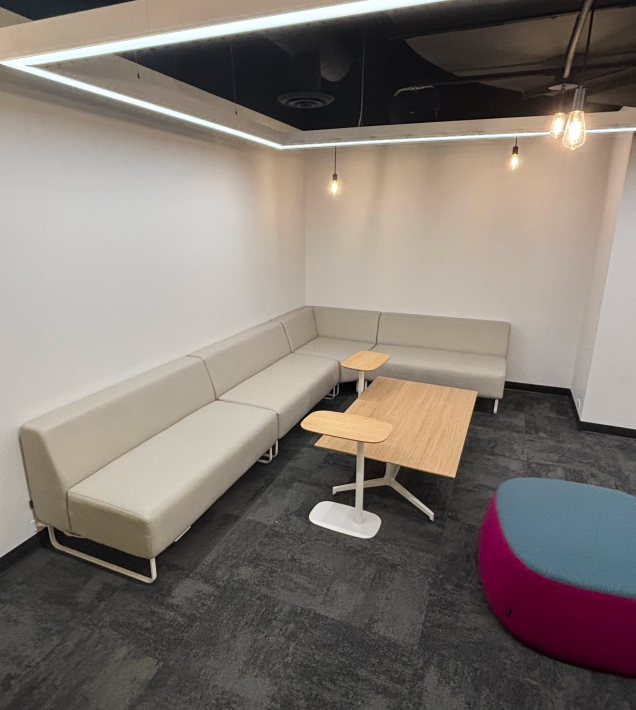
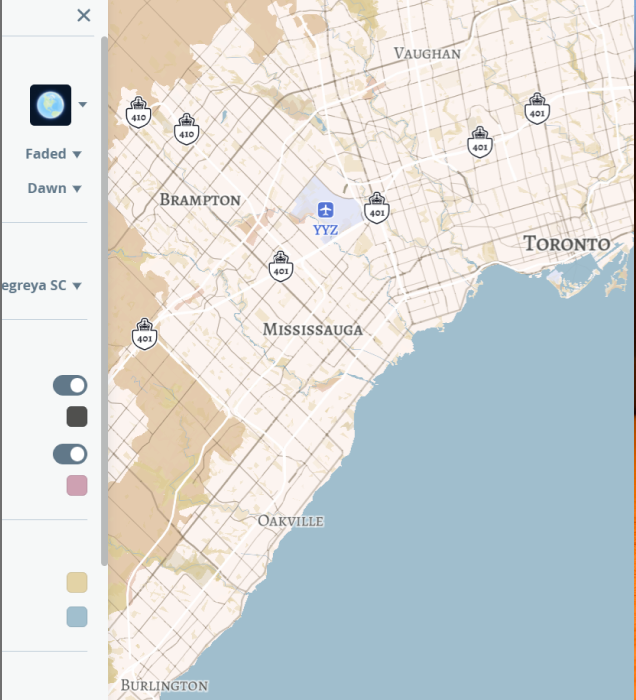
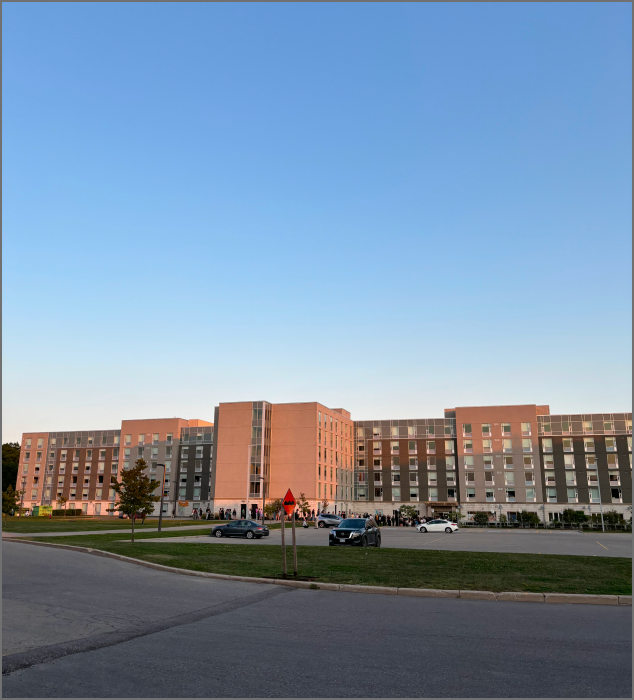
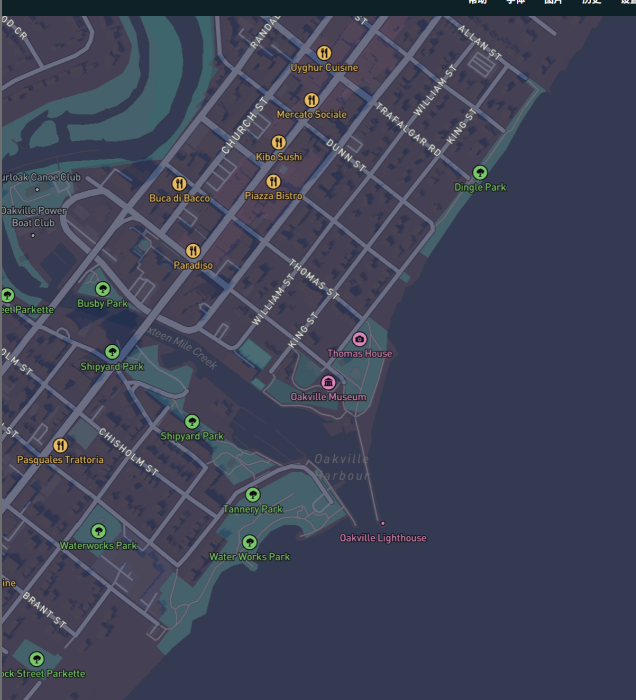
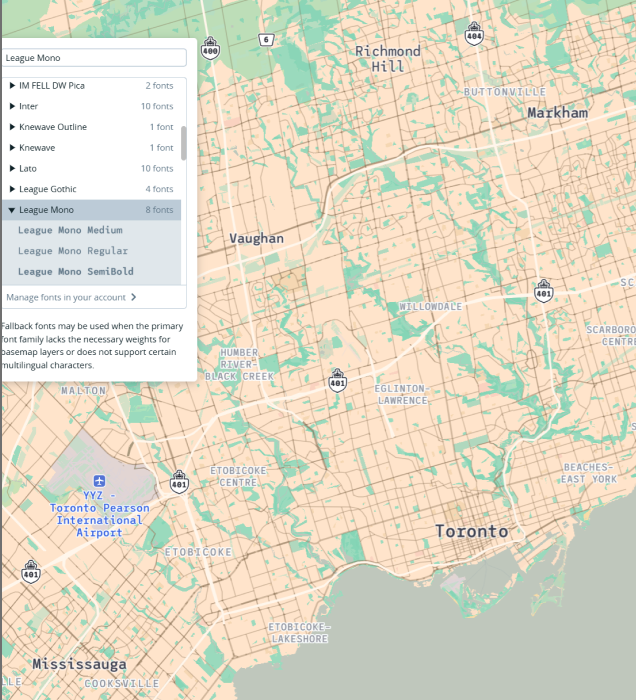
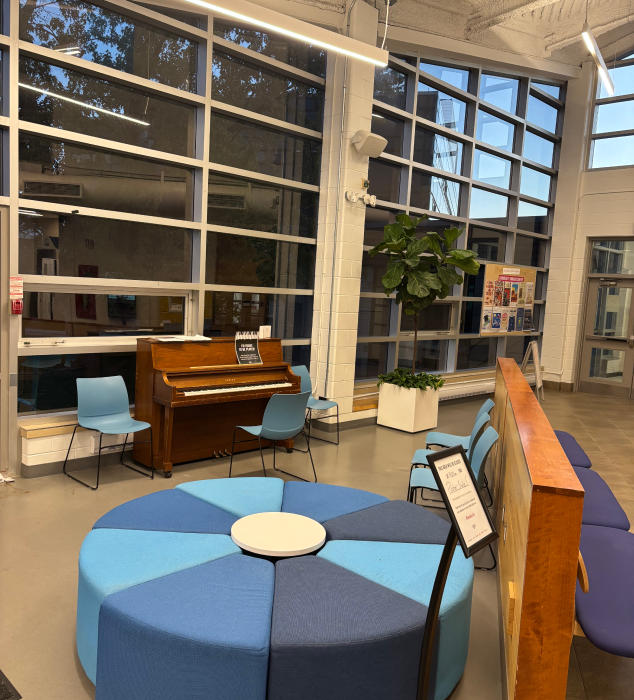
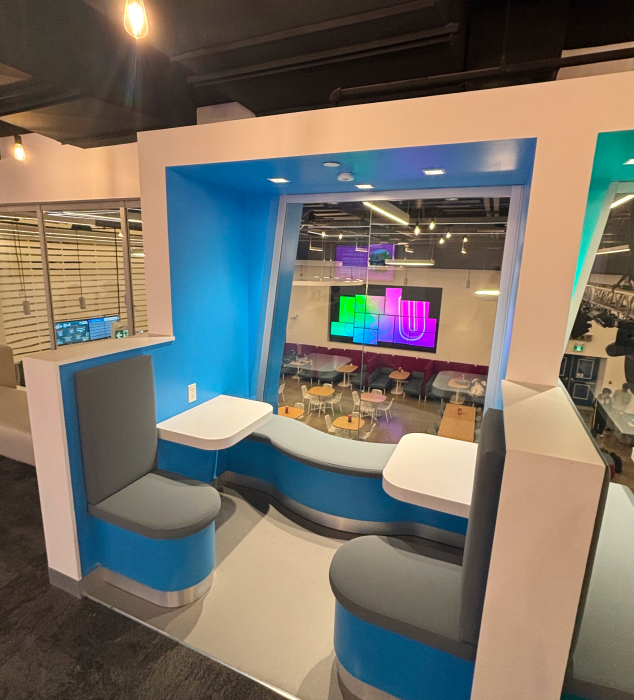
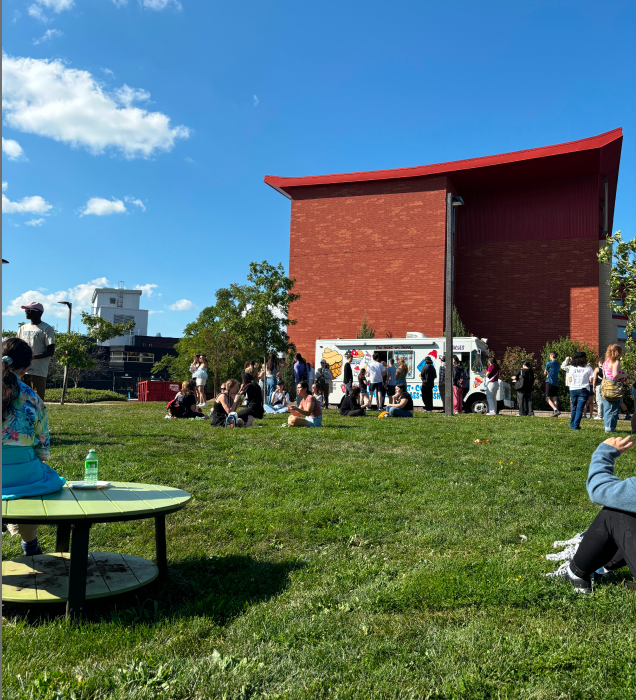
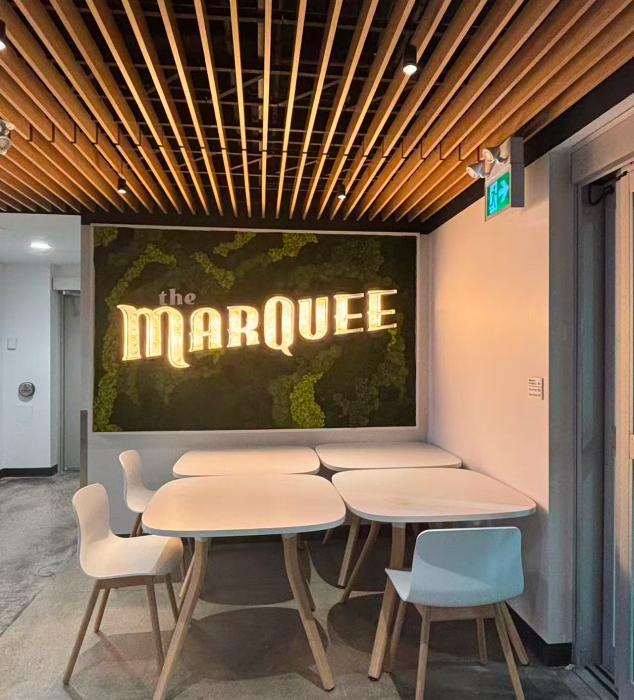
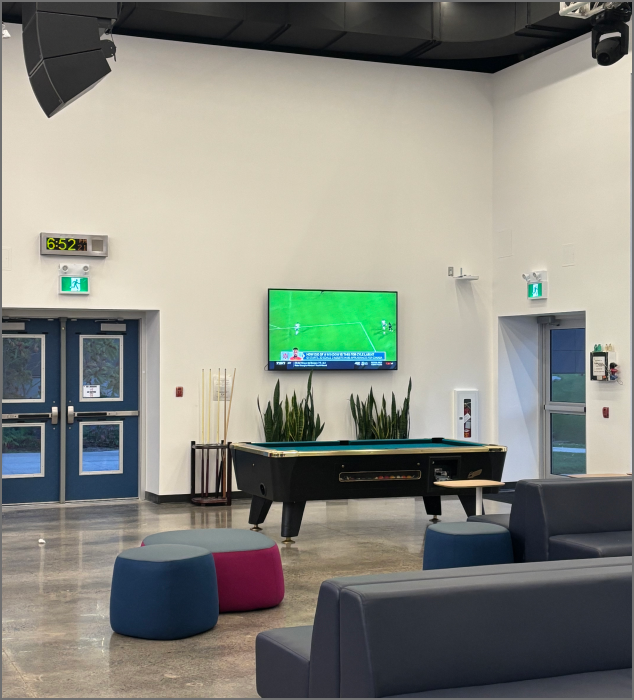
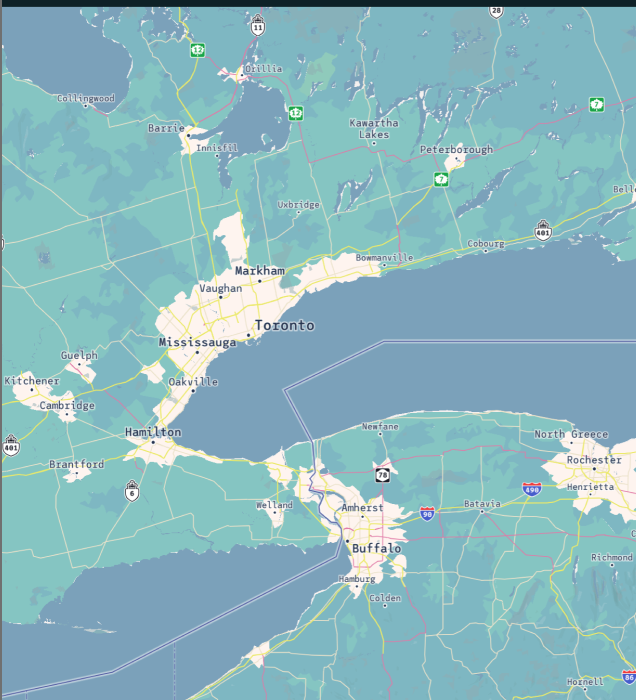
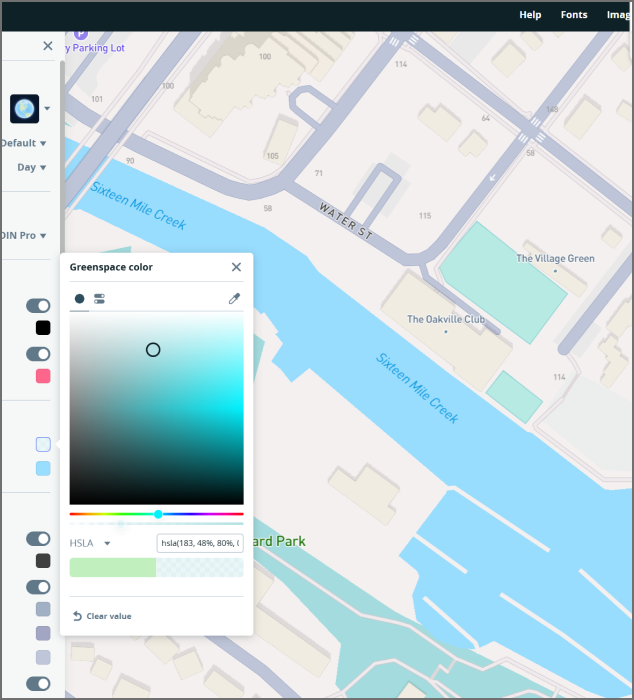
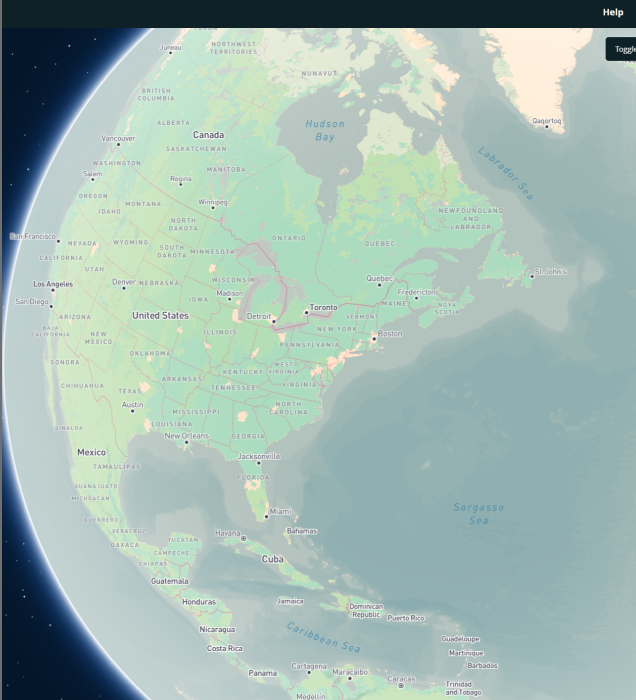
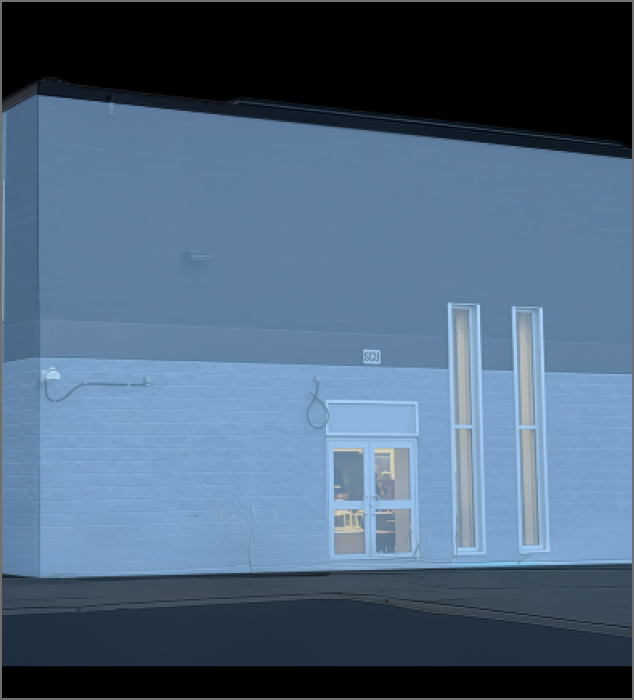
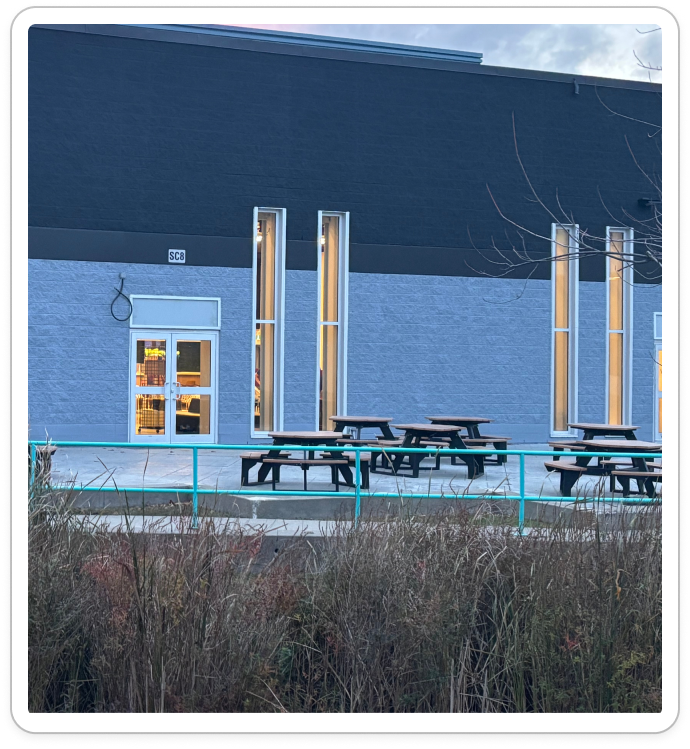
While using Mapbox, I discovered this tool significantly expands the possibilities for presenting spatial data, offering me a fresh perspective on the digital representation of space. Photographing numerous buildings at Sheridan College—from campus recreational areas to off-campus teaching facilities—these real-world scenes made my perception of 3D space exceptionally tangible.
Analyzing these structures, I sought to explore the path from physical space to digital 3D models, realizing that even the smallest spatial details can have a profound impact in 3D design.
Activity 2
During the Formstorming workshop, I explored the relationship between space and data through three distinct approaches.
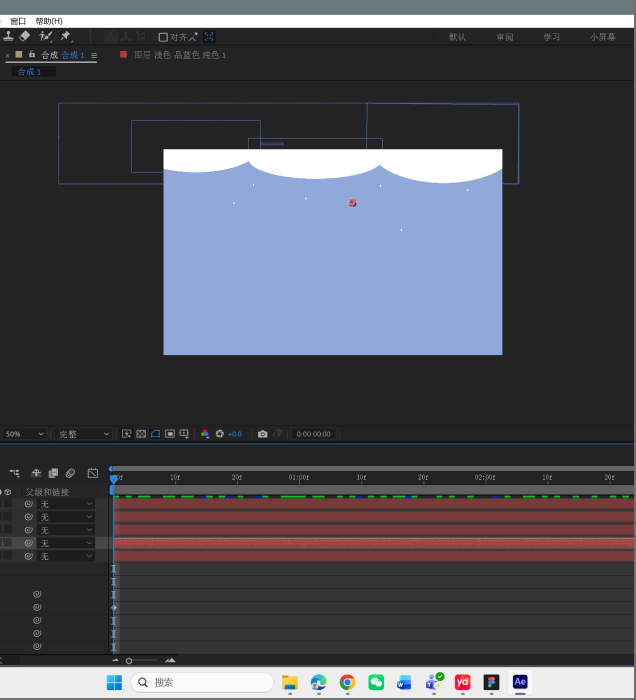
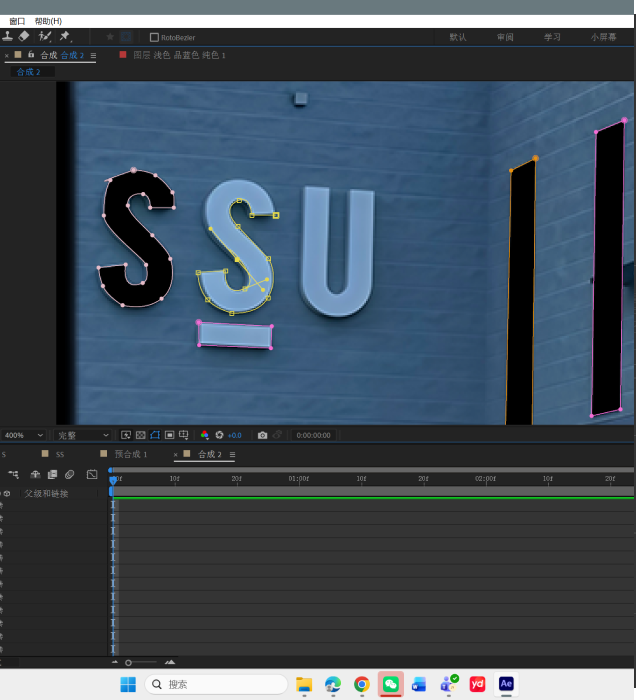
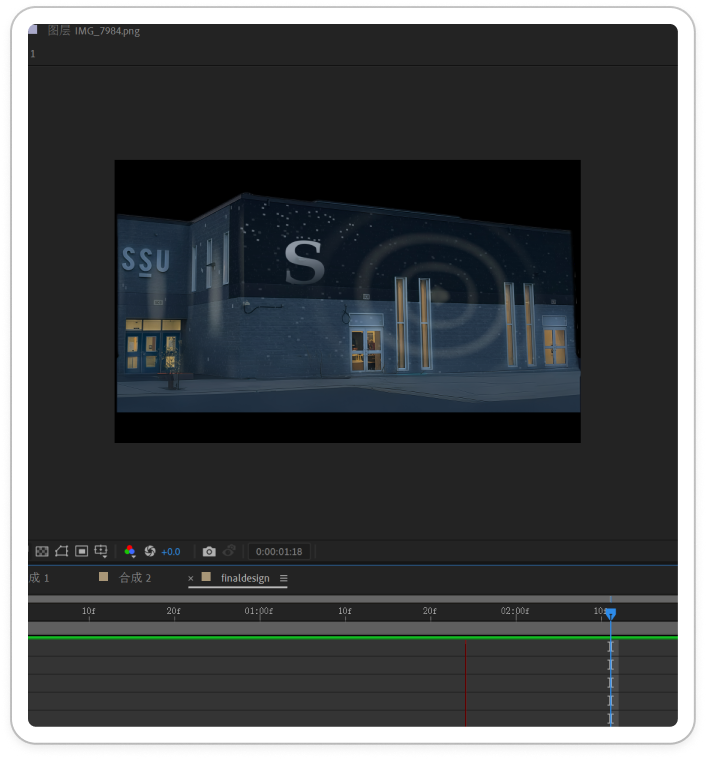
The projected map project transformed a static building into a winter crystal ball. After Effects' corner positioning tool once completely locked my animation, forcing me to abandon complex features due to this catastrophic issue. Instead, I manually animated using solid color layers and the pen tool—a solution that allowed the effects to organically "grow" onto the architecture.
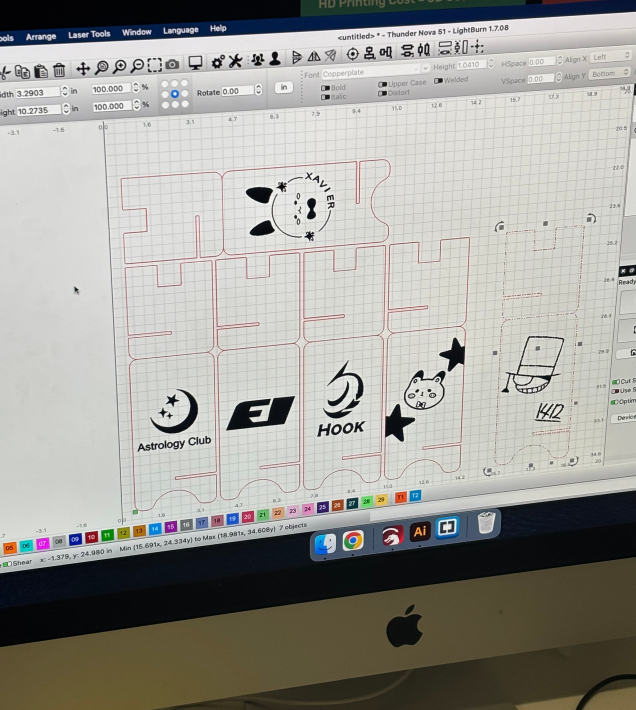
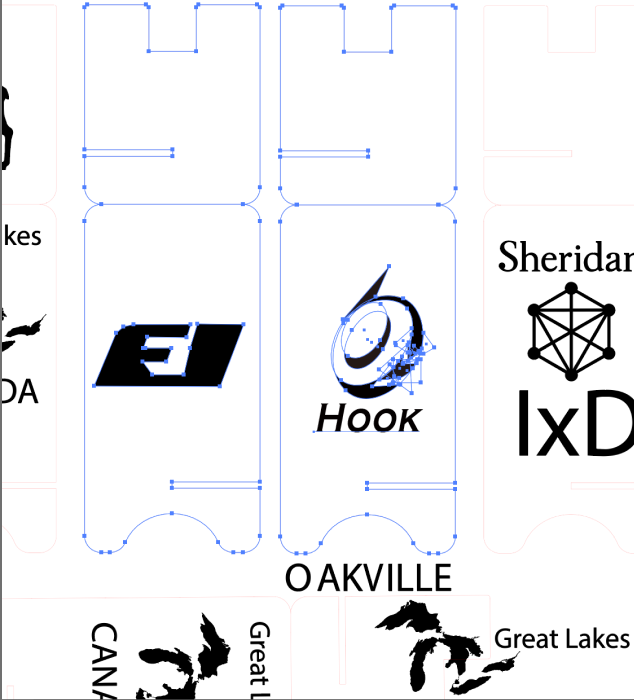
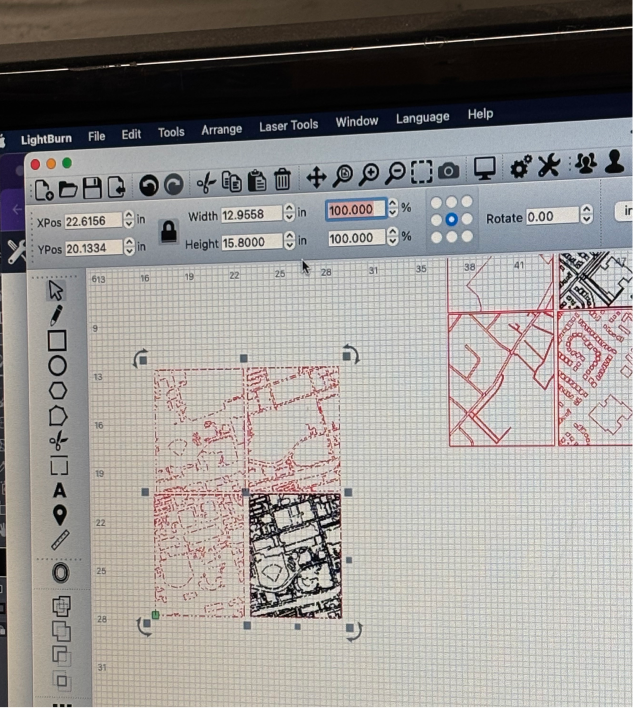
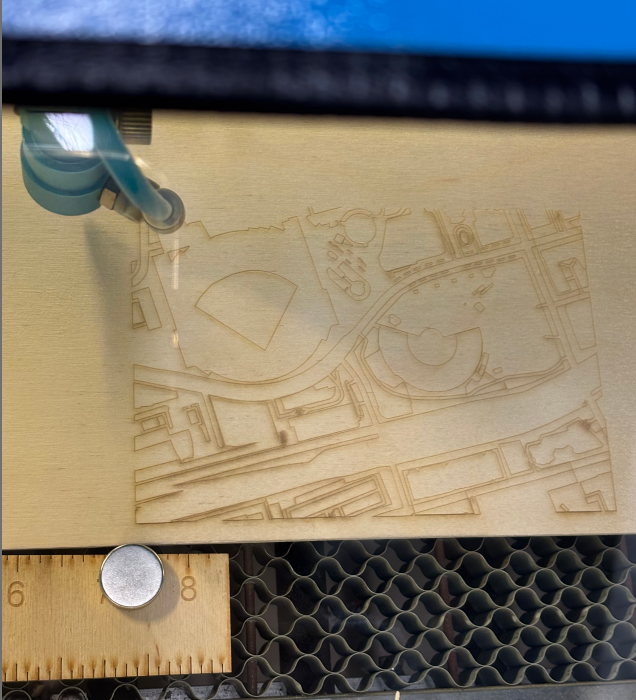
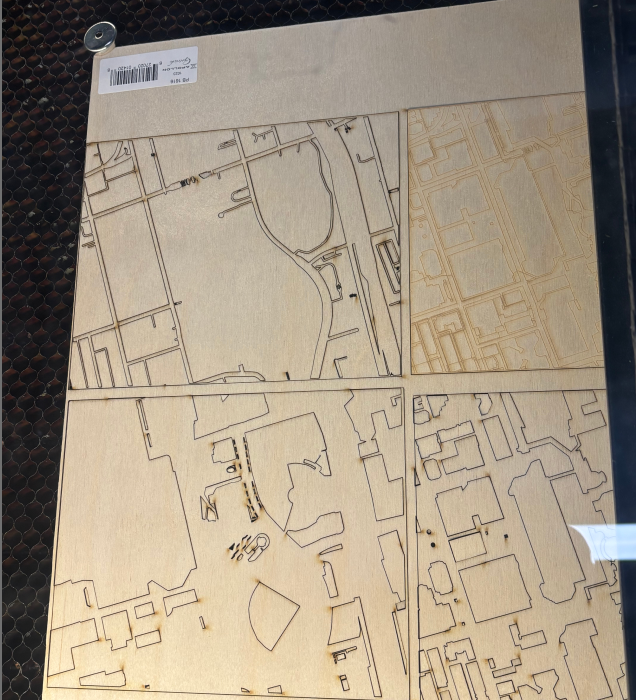
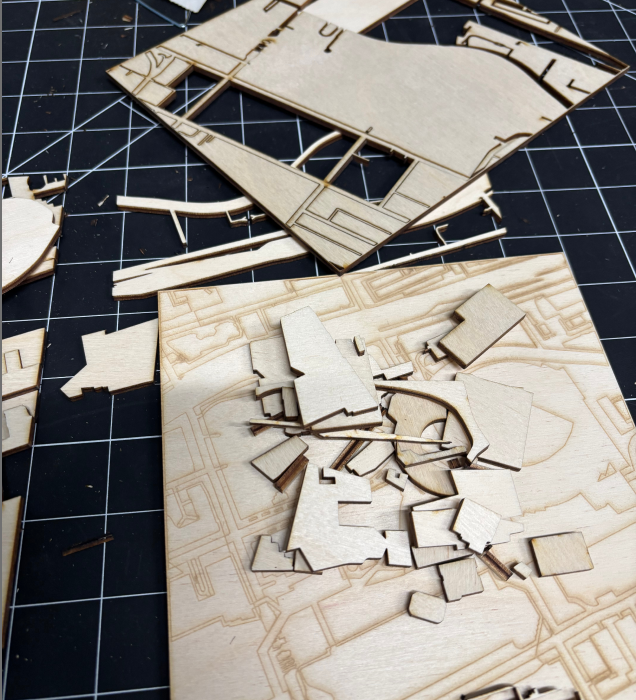
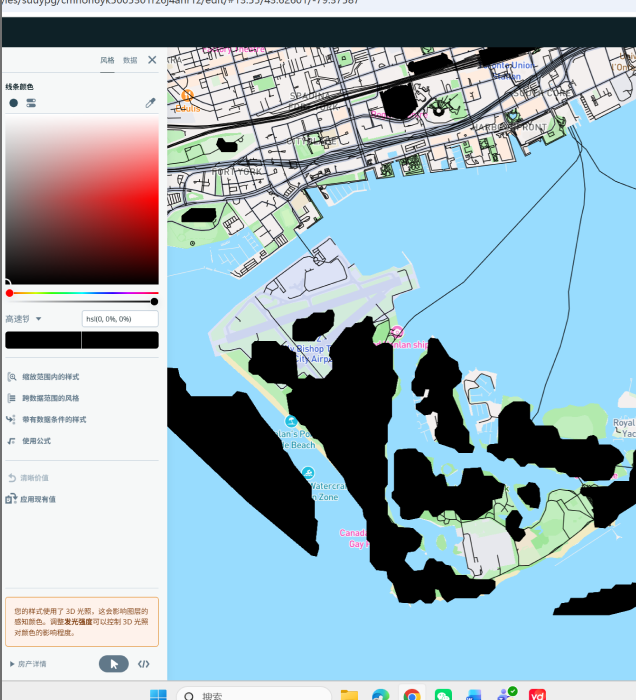
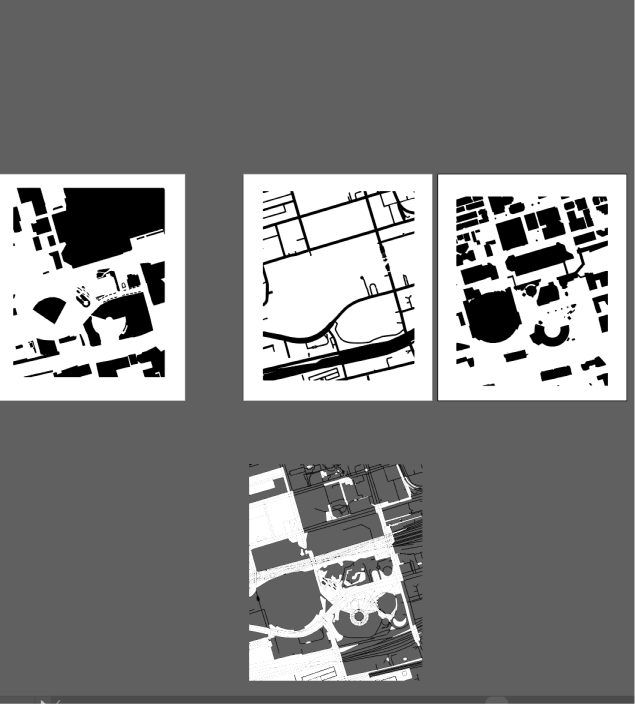
The cardboard cutout project transformed digital maps into tangible objects. Mapbox's default styling stubbornly retained unwanted yellow tones until monochrome mode eliminated all distractions. Adobe Illustrator's tracing function then acted like a precision carving tool, instantly converting map screenshots into paths readable by a laser cutter. Ultimately, a three-layer model centered on the CN Tower was successfully assembled.
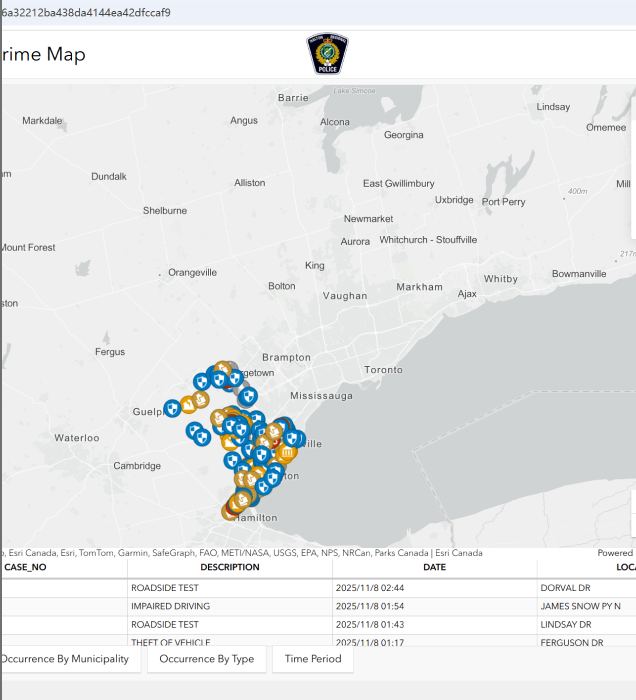
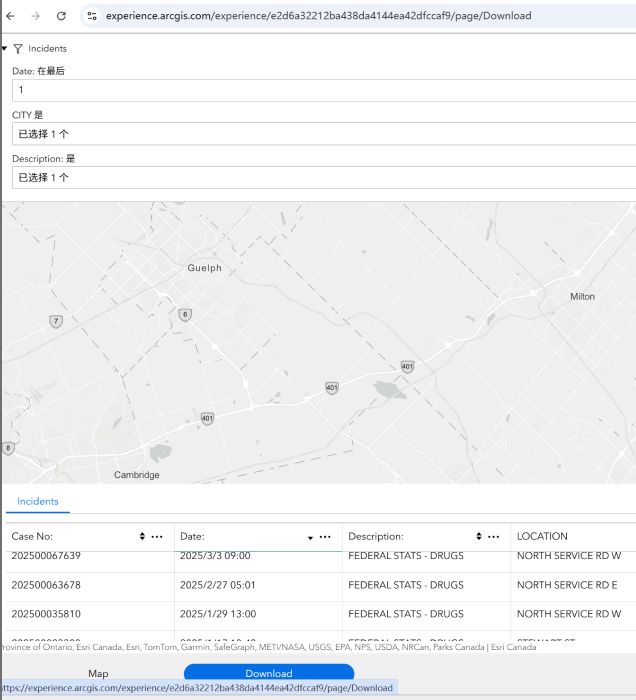
The Binary Data project taught me how to give voice to silent data. Drug incident data from Ontario, sourced from Crimemap, frequently threw errors when imported into Mapbox. It turned out that extra columns in the messy CSV file severely disrupted the software's reading. After cleaning the data and narrowing the timeframe, I deliberately set the data points to a striking deep red, making this severe social issue form an unignorable visual focal point on the map.s

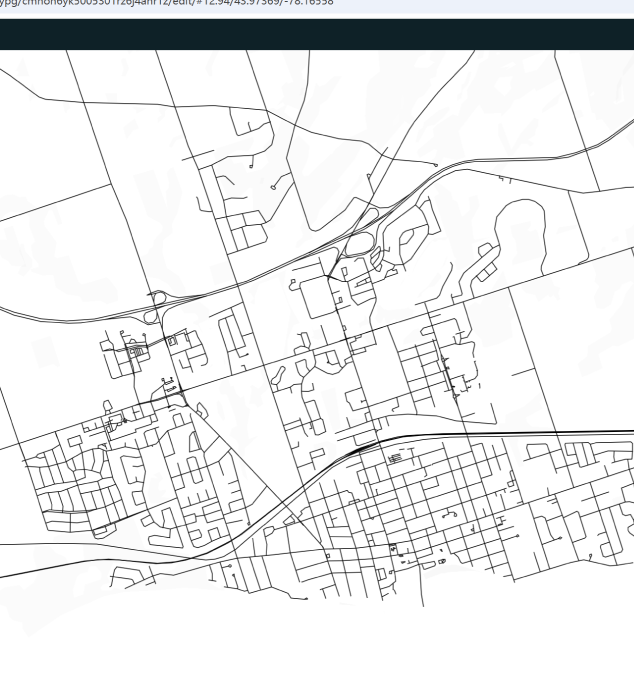
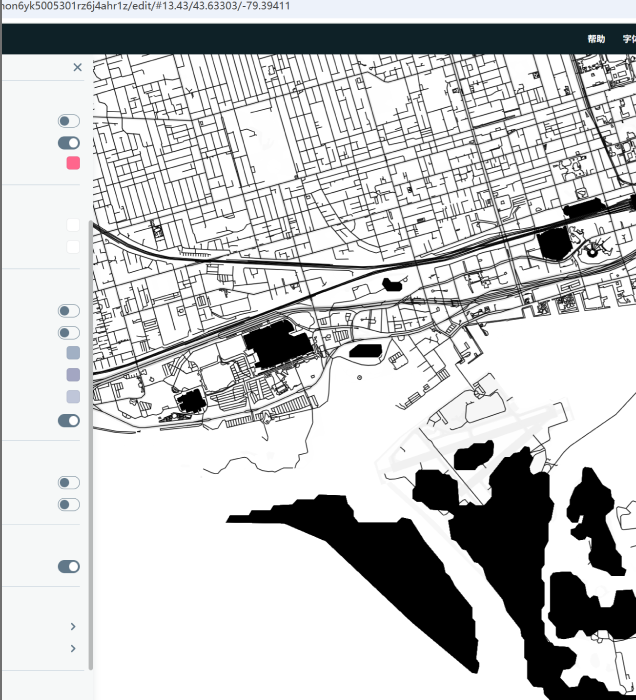
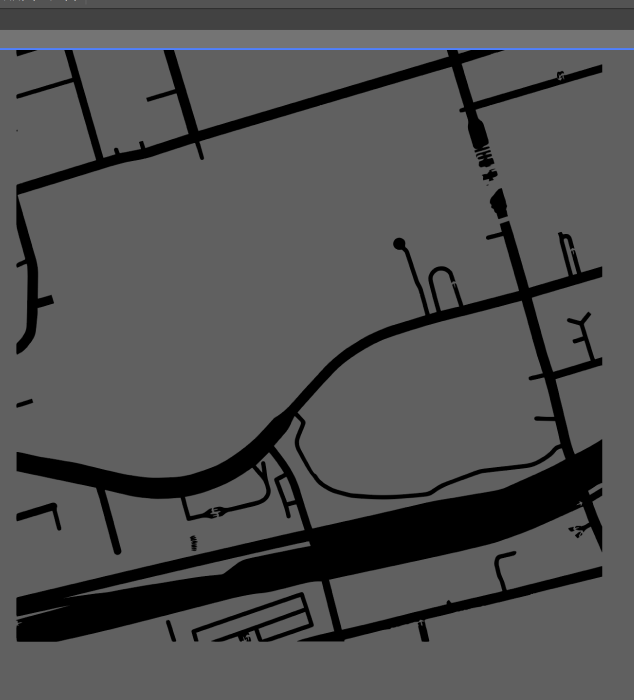
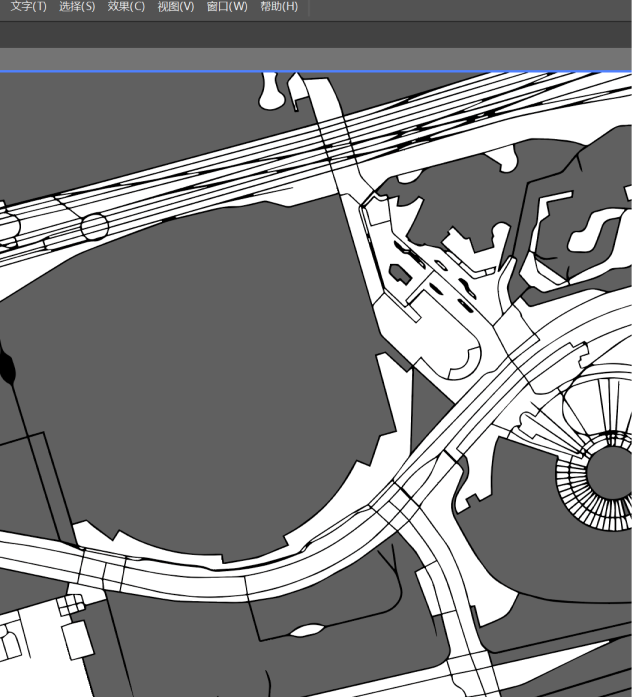


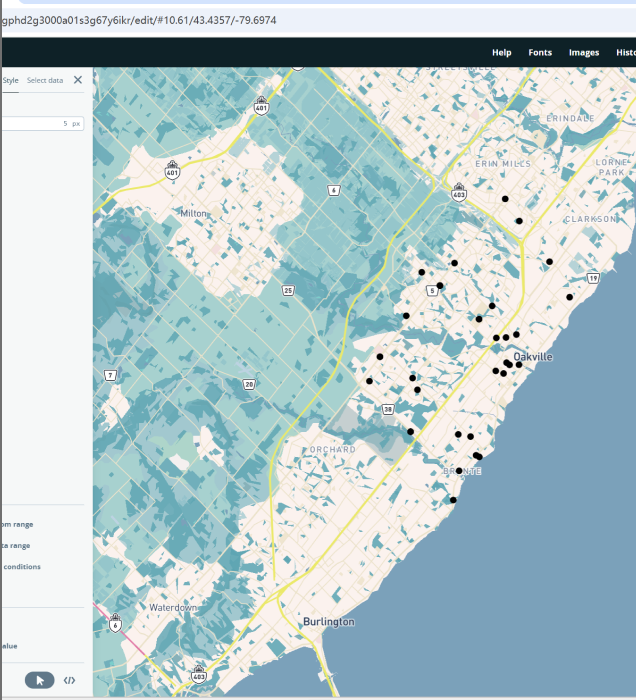
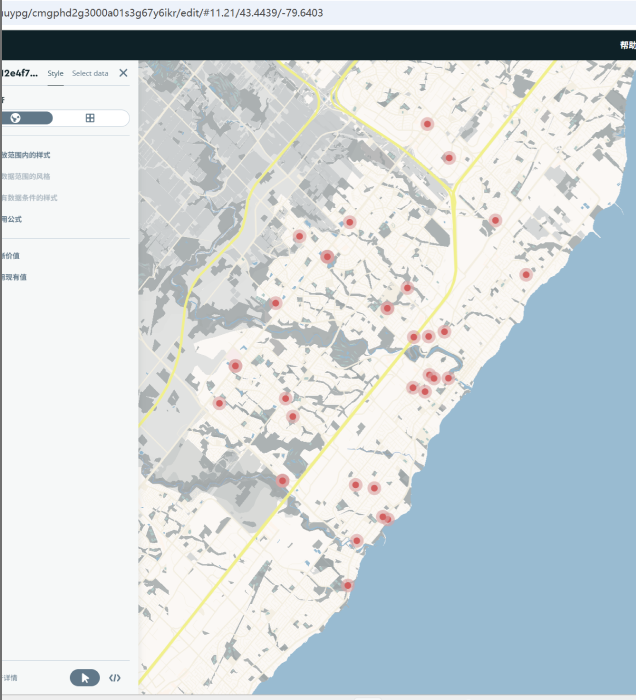

Spatial Workshop 1
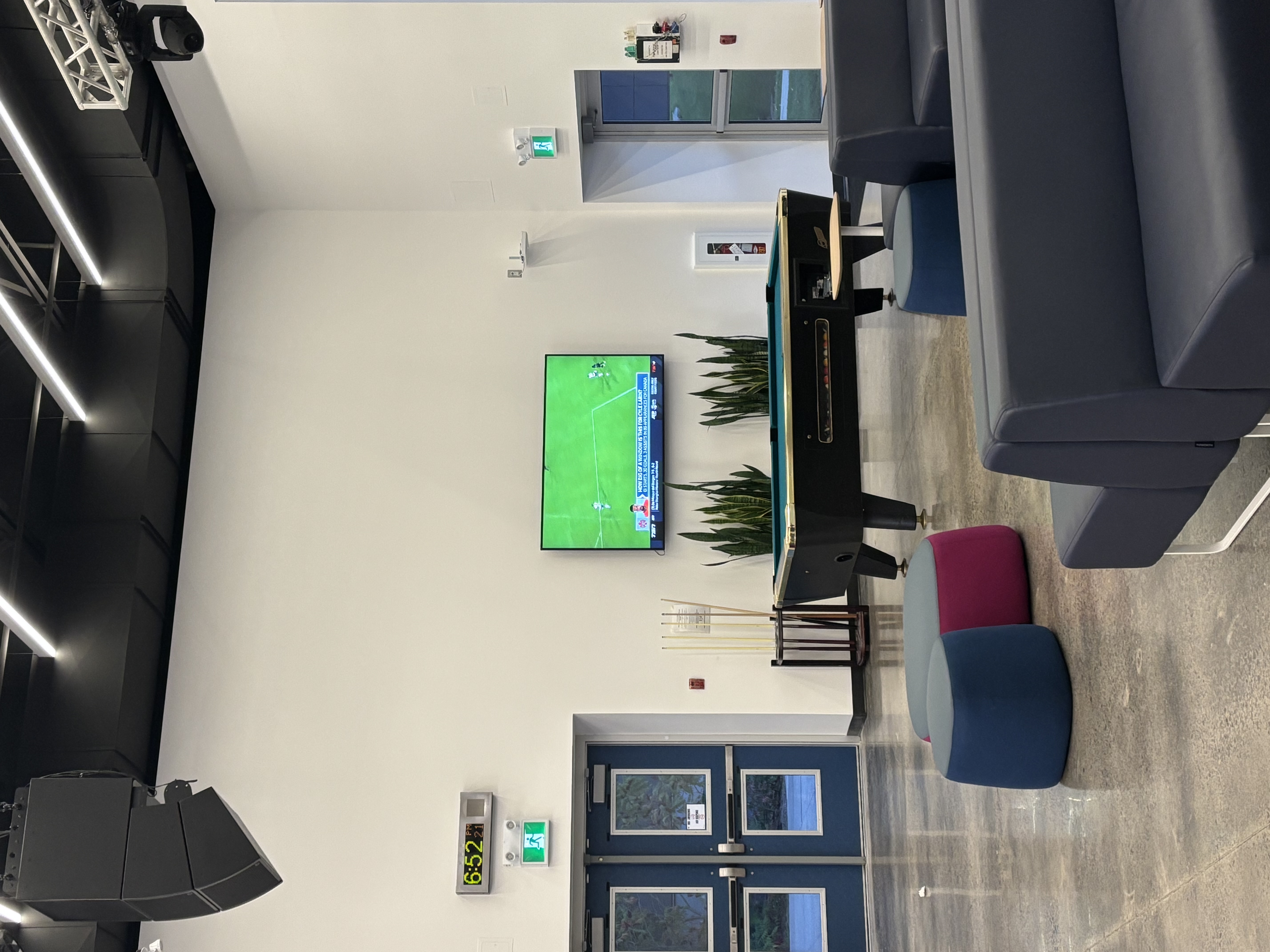
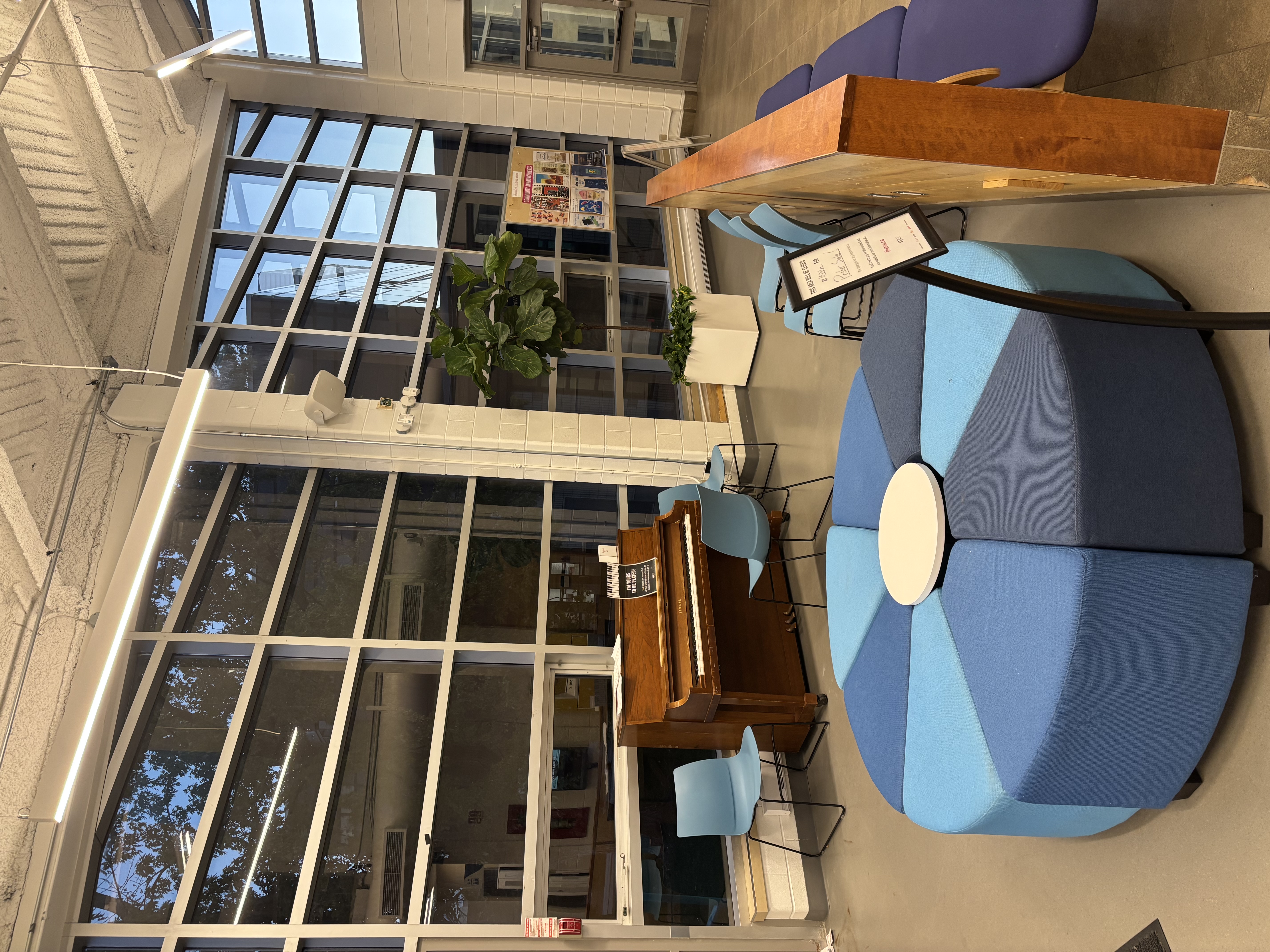
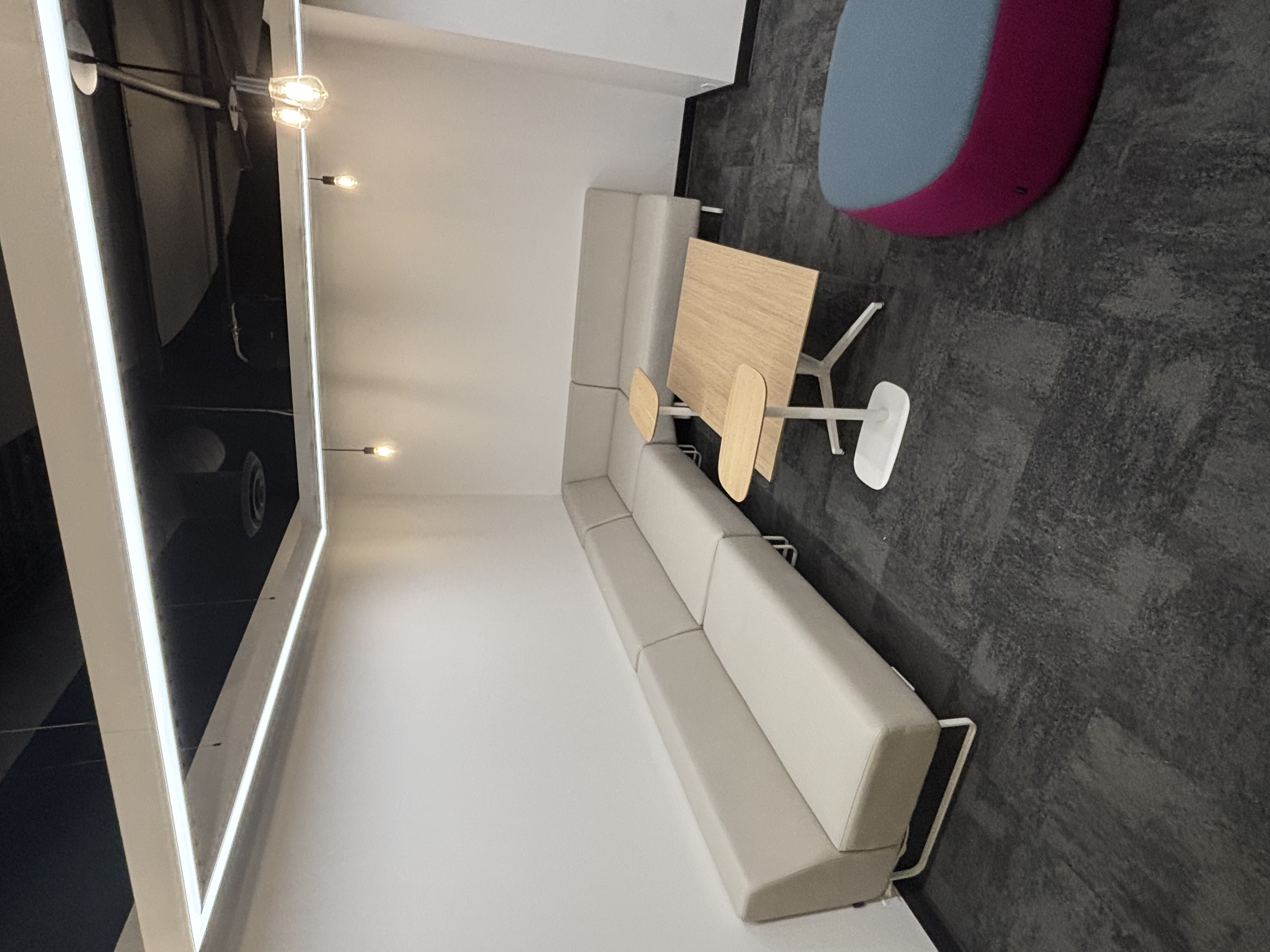
Spatial Workshop 2
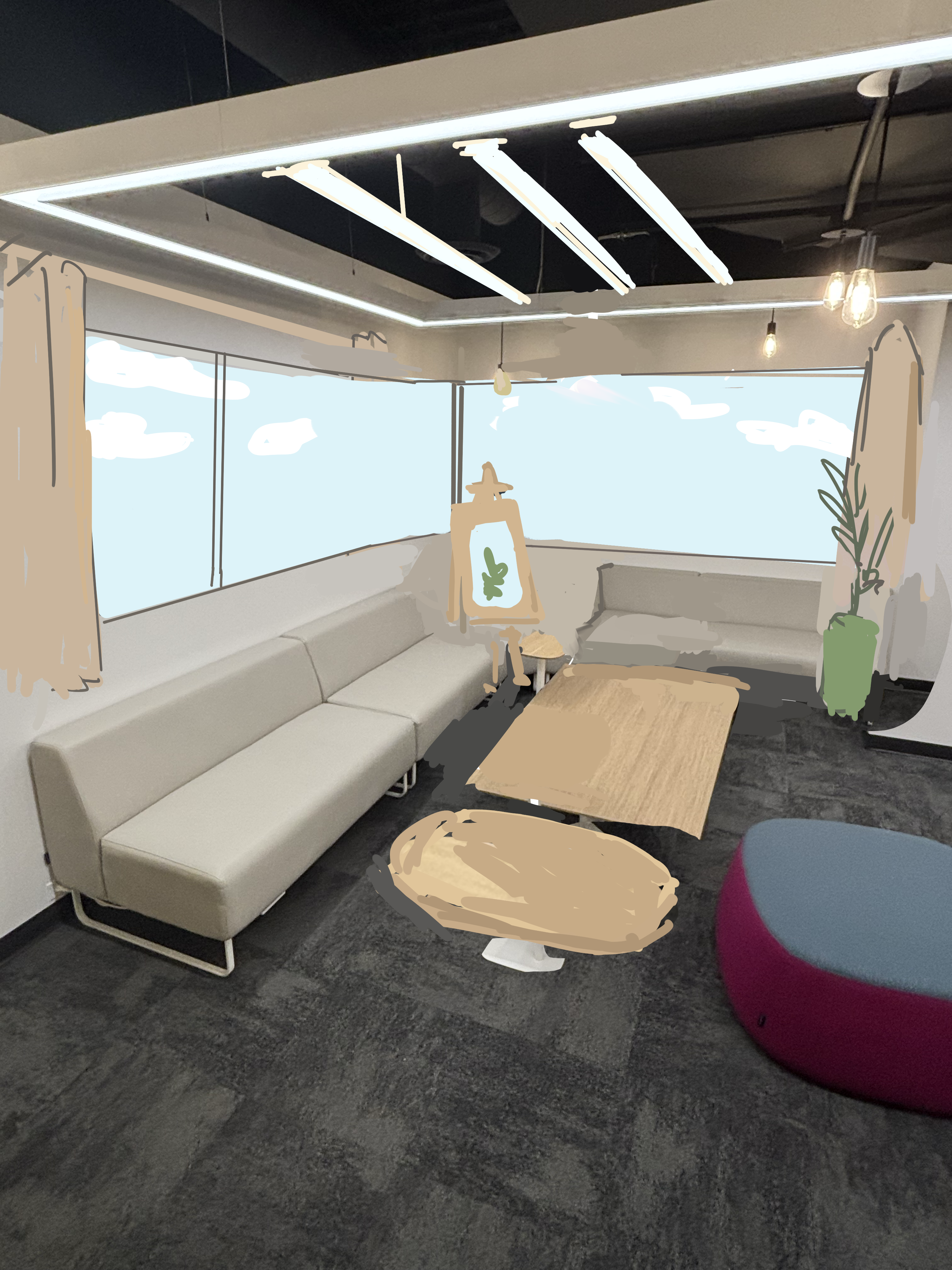
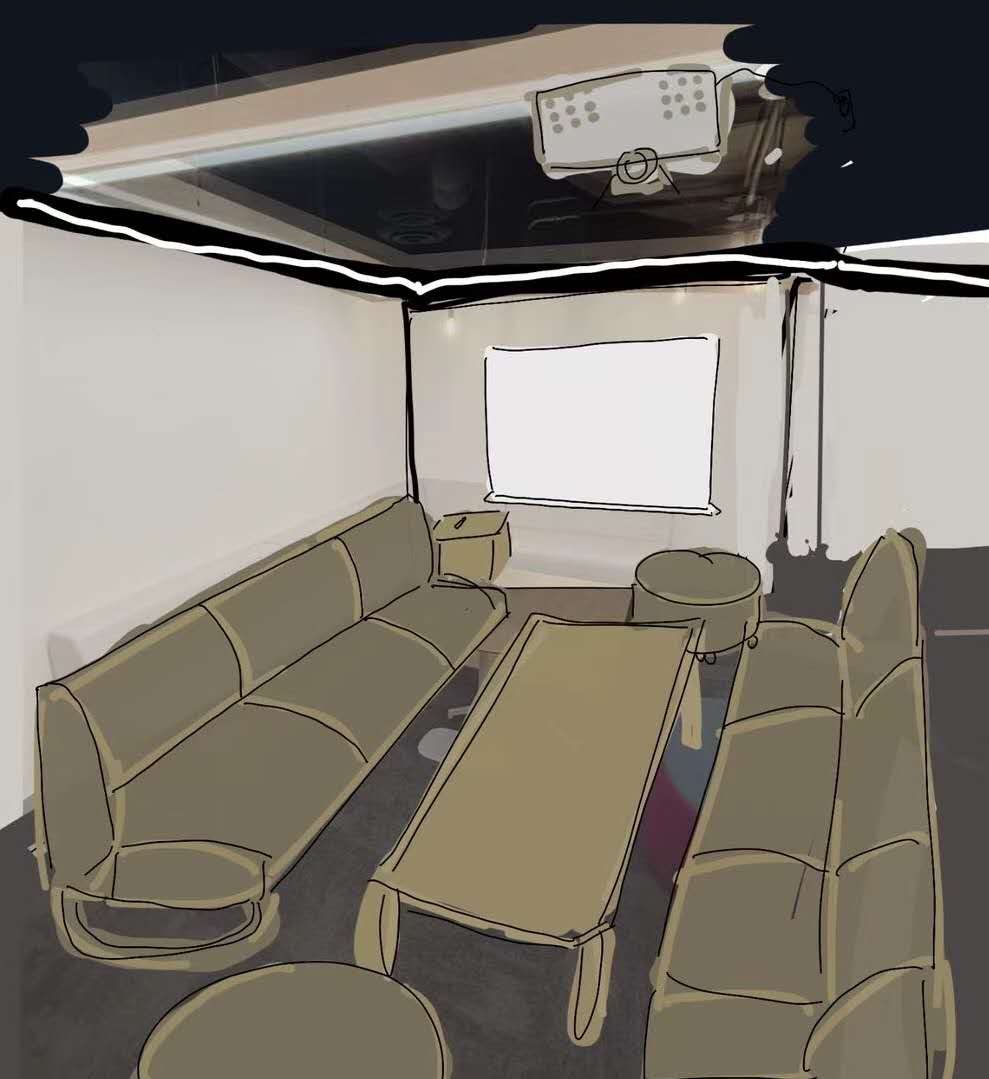
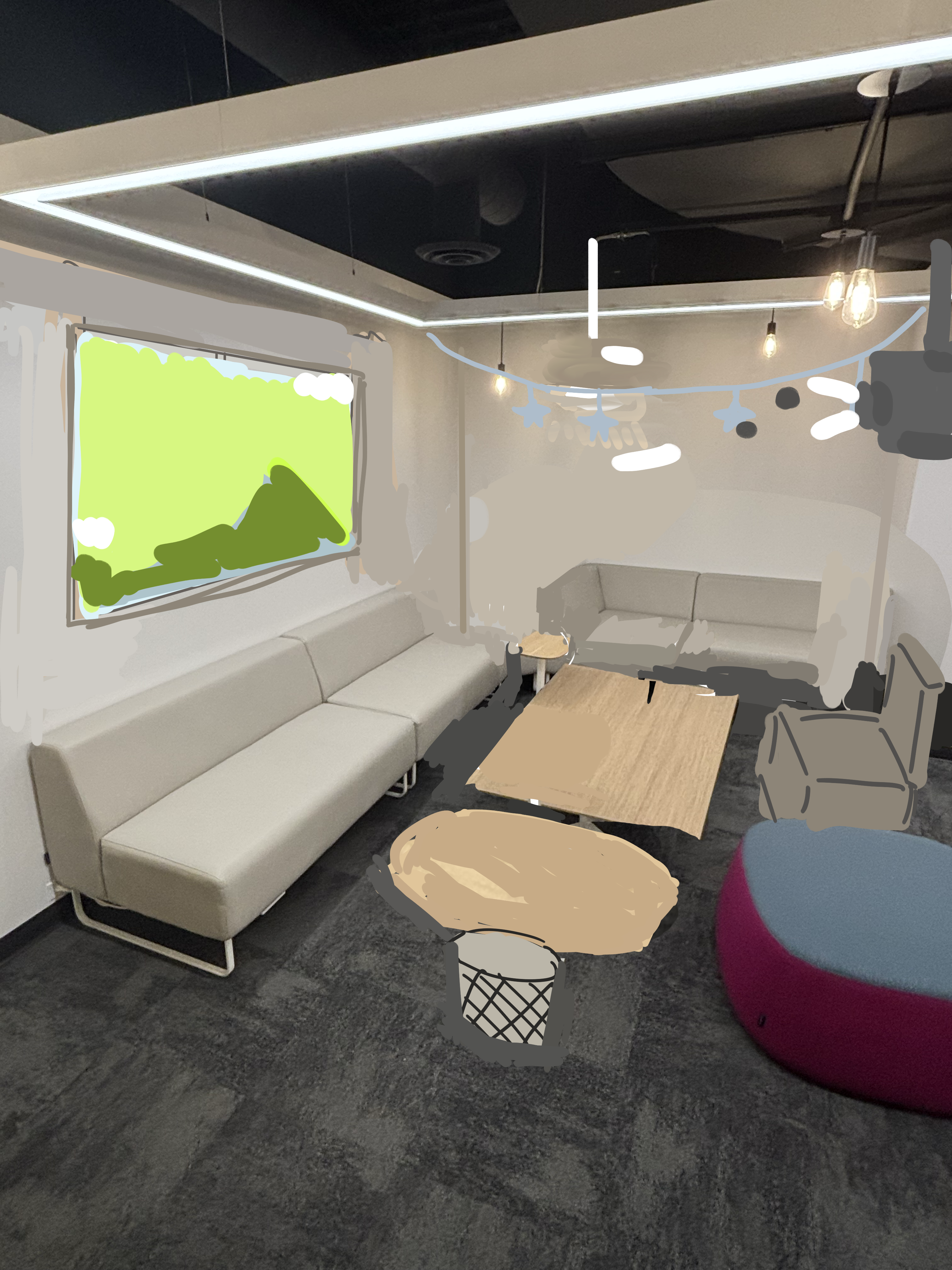
Project 2
Final Project 2 Design
"The Winter Snow Globe"
Project Description: This work is an artistic practice in architectural projection mapping. We sought to go beyond simple illumination, transforming a static building facade into a living, strange snow globe. Within this magical space, water ripples flow across the surface and snow falls gently from within the structure, aiming to capture and preserve the fleeting poetry of a Canadian winter.
Technical Execution: The project was primarily created using Adobe After Effects for motion design and compositing. The core visual effects were handcrafted using solid layers, mask animations, and particle systems. The base photograph was pre-processed in image editing software to ensure a clean canvas for the projection.
Creative Concept: To us, the power of projection mapping lies not in illuminating space, but in reinventing it. We weren't merely illuminating the walls of a building; we were rewriting its identity, breathing a new soul into it. Through design, a solid, physical, three-dimensional object can be imbued with a fourth dimension—emotion and narrative. In this piece, the building temporarily transcends its physical form to become a breathing dream, holding an entire winter inside.
Powered by w3.css